
Energy Storage Safety in 2026: Why BMS, LiFePO4 Chemistry and Certification Matter

Battery safety has become one of the most important considerations in the global energy storage industry.
As residential ESS, portable power systems, and commercial battery applications continue to grow, buyers are paying more attention to what is inside a battery system — not only the capacity and price, but also the protection design, battery chemistry, and compliance standards behind the product.
For distributors, installers, and energy solution providers, choosing a battery supplier with reliable safety technology is no longer optional.
A safe energy storage system requires three essential foundations:
- A reliable Battery Management System (BMS)
- A stable battery chemistry such as LiFePO4
- Compliance with recognized international standards
This guide explains why these factors matter and what buyers should consider when selecting a safe battery solution in 2026.
Why Battery Safety Matters More Than Ever
Energy storage systems are being installed in more environments than ever before:
- Residential homes
- Solar backup systems
- Remote off-grid projects
- Portable power applications
- Commercial and industrial energy systems
Unlike traditional electrical equipment, batteries store large amounts of energy. A poorly designed battery system can create risks related to:
- Overcharging
- Over-discharging
- Excessive temperature
- Cell imbalance
- Internal faults
A professional energy storage system must control these risks through multiple layers of protection.
Safety is not only about preventing failures — it is also about ensuring long-term reliability, stable performance, and market acceptance.
The Four Pillars of a Safe Energy Storage System
A reliable battery system should be built around four key elements:
| Safety Pillar | Low-Quality Battery System | Professional LiFePO4 System |
|---|---|---|
| Battery Protection | Limited protection or basic control | Advanced BMS with voltage, current and temperature monitoring |
| Battery Chemistry | Unknown or unsuitable chemistry | Stable LiFePO4 chemistry |
| Thermal Safety | Limited protection design | Multi-layer safety protection |
| Market Compliance | Difficult market access | Certified and tested products |
Pillar 1 — A Reliable BMS Is Essential
The Battery Management System (BMS) is the brain of a lithium battery system.
A professional BMS continuously monitors battery conditions and helps keep the battery operating within a safe range.
A reliable BMS should provide:
Overcharge Protection
Prevents cells from exceeding safe voltage limits during charging.
Over-Discharge Protection
Protects battery cells from excessive discharge that can reduce lifespan.
Temperature Monitoring
Monitors charging and discharging temperatures to prevent operation outside recommended conditions.
Cell Balancing
Maintains consistency between individual battery cells to improve performance and cycle life.
Communication Functions
Allows the battery to communicate with:
- Inverters
- Energy management systems
- Monitoring platforms
For residential ESS and commercial applications, a high-quality BMS is one of the most important indicators of battery reliability.
Pillar 2 — Why LiFePO4 Is Preferred for Energy Storage
Among lithium battery chemistries, LiFePO4 (Lithium Iron Phosphate) has become one of the most widely adopted choices for stationary and mobile energy storage.
The main advantages include:
Excellent Thermal Stability
LiFePO4 has a stable chemical structure compared with many nickel-based lithium chemistries.
This makes it suitable for applications where safety and reliability are priorities.
Long Cycle Life
High-quality LiFePO4 batteries can typically achieve:
- Thousands of charge and discharge cycles
- Longer service life
- Lower replacement frequency
For energy storage projects designed for long-term operation, cycle life is a critical factor.
High Usable Capacity
Compared with traditional lead-acid batteries, LiFePO4 systems can provide:
- Higher depth of discharge
- Better energy utilization
- More usable power from the same rated capacity
Lower Maintenance Requirements
LiFePO4 batteries require minimal maintenance compared with traditional lead-acid systems.
This makes them suitable for:
- Home energy storage
- Solar backup
- Off-grid applications
- Portable power systems
Pillar 3 — Multi-Layer Thermal Safety Design
Battery safety does not depend on one single component.
A professional battery system uses multiple protection layers.
Cell Level Protection
High-quality battery cells should have:
- Consistent performance
- Proper matching
- Quality inspection before assembly
Cell consistency directly affects battery reliability.
Module Level Protection
Battery modules should include:
- Proper electrical protection
- Internal monitoring
- Structural design to reduce fault risks
Pack and System Level Protection
Complete battery systems should include:
- Protective enclosure design
- Thermal management considerations
- Safety control strategies
The goal is simple:
Prevent a single abnormal condition from affecting the entire battery system.
Pillar 4 — Certification and Compliance Are Market Requirements
For global energy storage markets, certifications help demonstrate product safety and reliability.
Common standards include:
UL 1973
A key safety standard for stationary battery systems in North America.
IEC 62619
An internationally recognized safety standard for industrial lithium battery applications.
UN38.3
A required transportation safety test for lithium batteries shipped by air, sea, or land.
CE / RoHS
Important compliance requirements for many European market applications.
The exact certification requirements depend on:
- Target country
- Application type
- Installation environment
- Customer requirements
For distributors and project developers, selecting a supplier with proper testing and documentation helps reduce project risks.
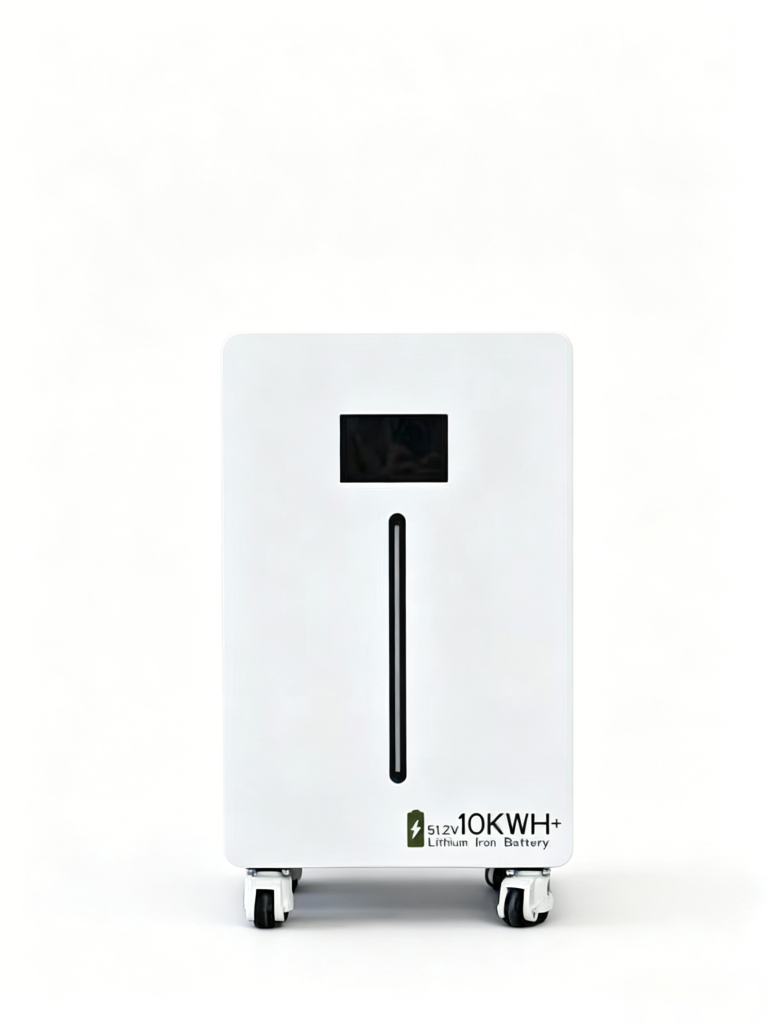
Why This Matters for Home and Portable Energy Storage
Although many battery safety discussions focus on large-scale energy storage systems, the same principles apply to smaller applications.
Residential Energy Storage
Home batteries are installed close to living spaces.
Important factors include:
- Stable battery chemistry
- Reliable BMS protection
- Safety certifications
- Long-term warranty support
Portable Power Stations
Portable batteries experience:
- Frequent movement
- Outdoor conditions
- Different charging environments
A reliable BMS and durable battery design are essential.
Lead-Acid to LiFePO4 Conversion
When replacing lead-acid batteries with lithium batteries, proper system matching is critical.
Important considerations include:
- Battery voltage compatibility
- Charger settings
- BMS protection
- Application requirements
A professional lithium conversion solution should improve performance while maintaining system safety.
How to Evaluate a Reliable Battery Supplier
For distributors, installers, and energy solution providers, choosing the right manufacturer is just as important as choosing the battery technology.
Before working with a supplier, consider:
Battery Cell Quality
Ask about:
- Cell sourcing
- Cell inspection process
- Consistency testing
Production Quality Control
A reliable manufacturer should have:
- Incoming material inspection
- Battery assembly control
- Performance testing
- Finished product inspection
Technical Support
Professional suppliers should provide:
- Product selection guidance
- System matching support
- Technical documentation
- After-sales assistance
OEM/ODM Capability
For different markets and applications, customization capability can be important.
A capable manufacturer should support:
- Product customization
- Battery configuration adjustment
- Branding requirements
- Application-specific solutions
How Circova Energy Builds Safer LiFePO4 Solutions
At Circova Energy, safety is integrated into every stage of battery development and manufacturing.
Our LiFePO4 energy storage solutions focus on:
Stable Battery Chemistry
We use LiFePO4 technology for applications requiring:
- High safety performance
- Long cycle life
- Reliable operation
Intelligent BMS Protection
Battery systems include protection functions for:
- Voltage
- Current
- Temperature
- Cell balancing
Quality-Controlled Manufacturing
Every battery system follows structured quality processes to ensure consistent performance.
Flexible Energy Storage Solutions
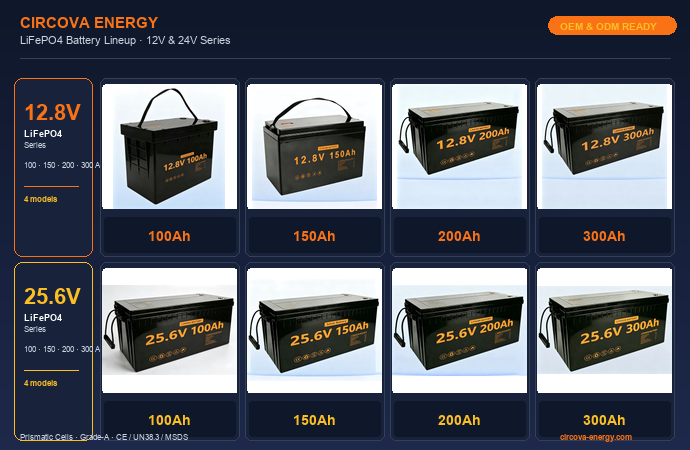
Circova Energy provides solutions including:
- Residential ESS
- LiFePO4 battery modules
- Portable power solutions
- Lithium battery replacement systems
- OEM/ODM battery solutions
We support distributors, installers, and energy partners with reliable battery products for different markets and applications.
Conclusion
In 2026 and beyond, battery selection is no longer only about capacity and price.
A reliable energy storage system requires:
- Safe battery chemistry
- Intelligent BMS protection
- Proper system design
- International certifications
- A trustworthy manufacturing partner
LiFePO4 technology provides an excellent balance of safety, lifespan, and performance, making it one of the leading choices for modern energy storage applications.
For distributors, installers, and project developers, choosing a professional LiFePO4 battery supplier is the foundation for building successful energy storage solutions.
Circova Energy provides LiFePO4 battery solutions designed for residential, portable, and off-grid applications. Contact our engineering team for product selection, OEM/ODM cooperation, and customized energy storage solutions.