
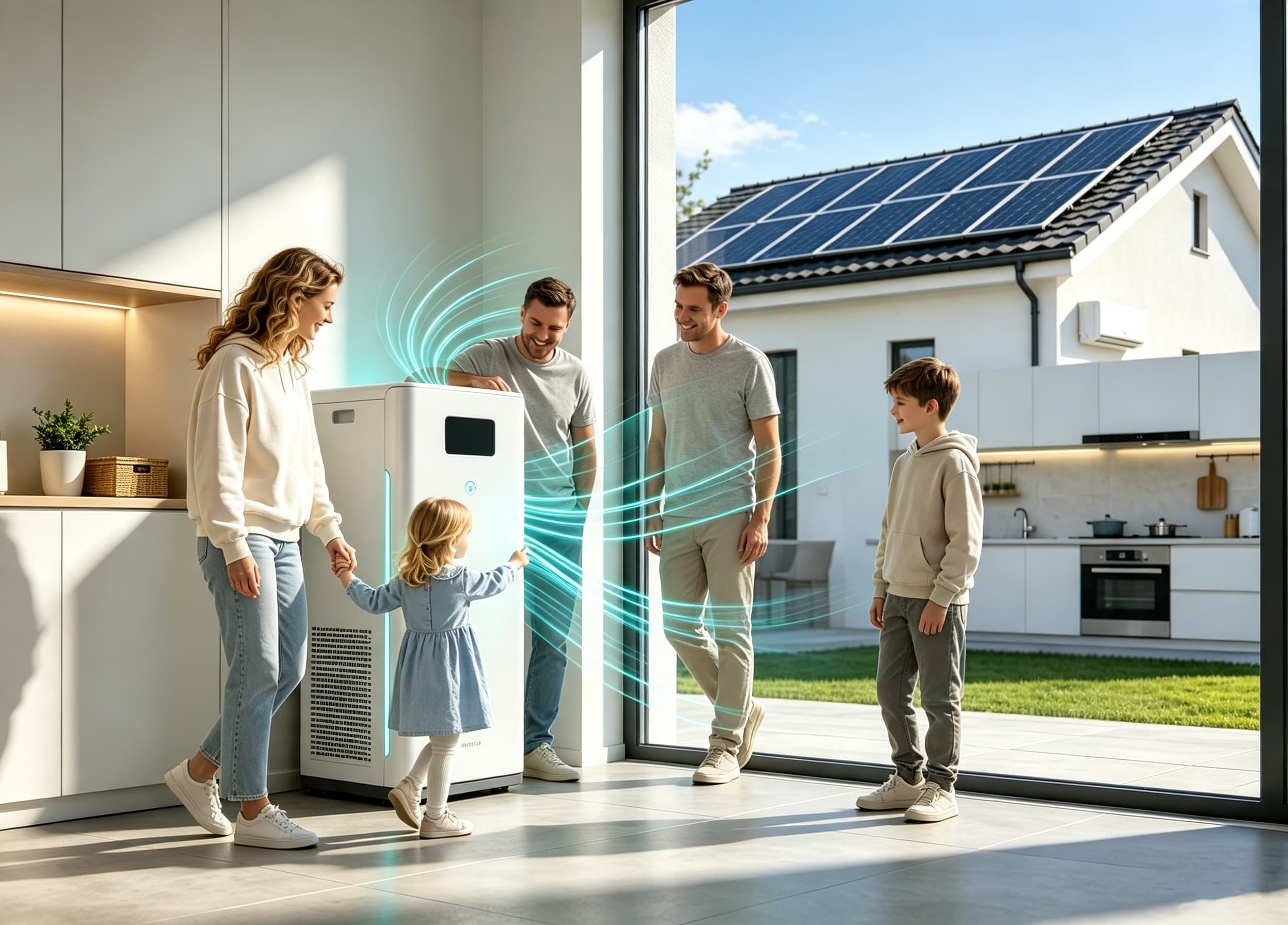
LiFePO4 Home Battery in the Real World: 5 Application Scenarios That Pay Off

Spec sheets tell you a battery is “10 kWh and 6000 cycles.” Deployment tells you whether it actually saves money, keeps the lights on, or replaces a diesel generator. After installing phosphate-based storage across homes, factories, and off-grid sites, here are the five home and stackable-ESS scenarios where LiFePO4 (LFP) consistently earns its keep — and exactly how each one is wired.
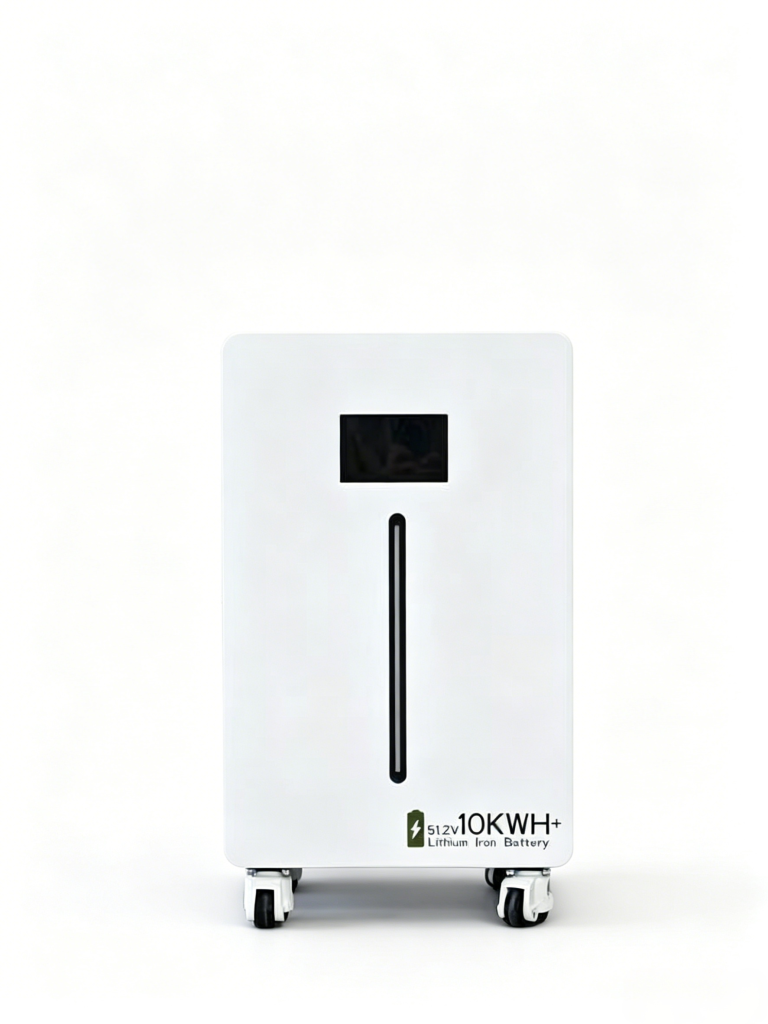
Scenario 1 — Urban Home Peak Shaving (TOU Arbitrage)
Most households pay two or three electricity rates a day. An LFP home battery charges when power is cheap (overnight) and discharges when it is expensive (early evening).
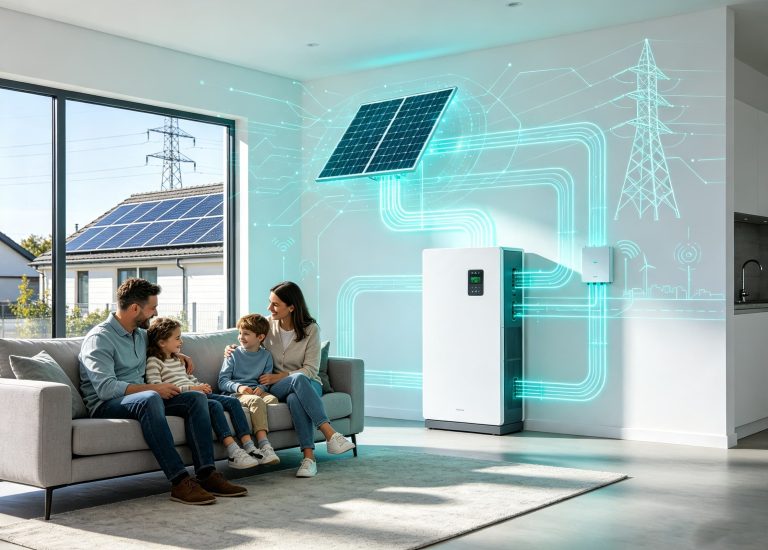
- Topology: single-phase all-in-one (inverter + BMS + battery in one cabinet), grid-tied.
- Typical size: 10 kWh usable, 5 kW continuous output.
- Outcome: in markets with a >2:1 peak-to-off-peak ratio, 30–50% reduction on the affected portion of the bill. Payback lands inside the warranty window.
LFP is the right call here because it tolerates one full charge/discharge every single day for a decade without the capacity collapse lead-acid would show in year two.
Scenario 2 — Blackout Backup for Essential Loads
When the grid drops, a home battery in UPS mode takes over in milliseconds.
- Topology: all-in-one with automatic switch, critical-load sub-panel.
- Typical size: 5–10 kWh covers fridge, lights, router, and a well pump for 8–12 hours.
- Why LFP: no sulphation if left idle, no watering, instant availability after months of standby.
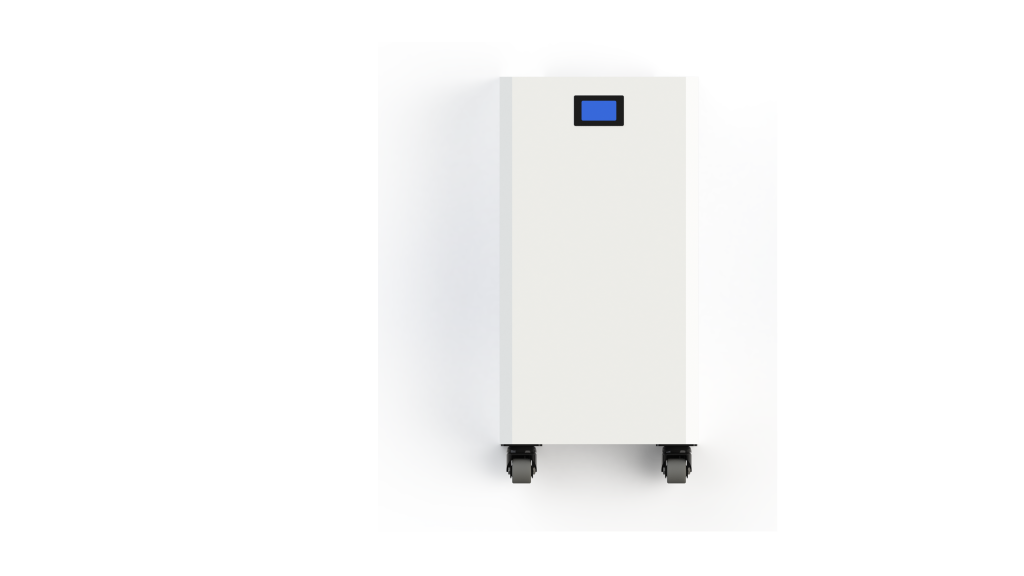
Scenario 3 — Off-Grid / Weak-Grid Villa
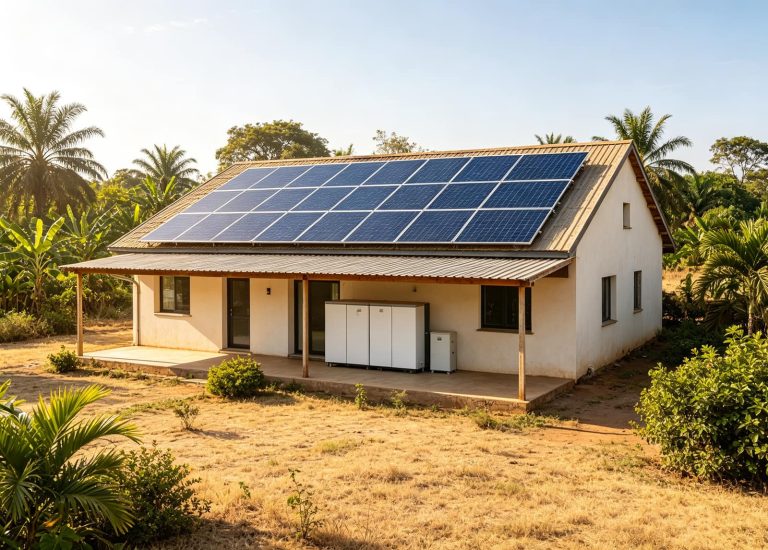
Remote villas and farms either have no grid or a grid that browns out daily. A stackable LFP bank plus a hybrid inverter plus PV replaces the generator entirely.
- Topology: stackable modules 20–40 kWh + hybrid inverter + 8–15 kW PV array.
- Outcome: >95% solar self-sufficiency; the generator becomes a rare backup instead of a daily chore.
- Field proof: our off-grid villa deployments hit 95%+ solar消纳率 with LFP + hybrid architecture.
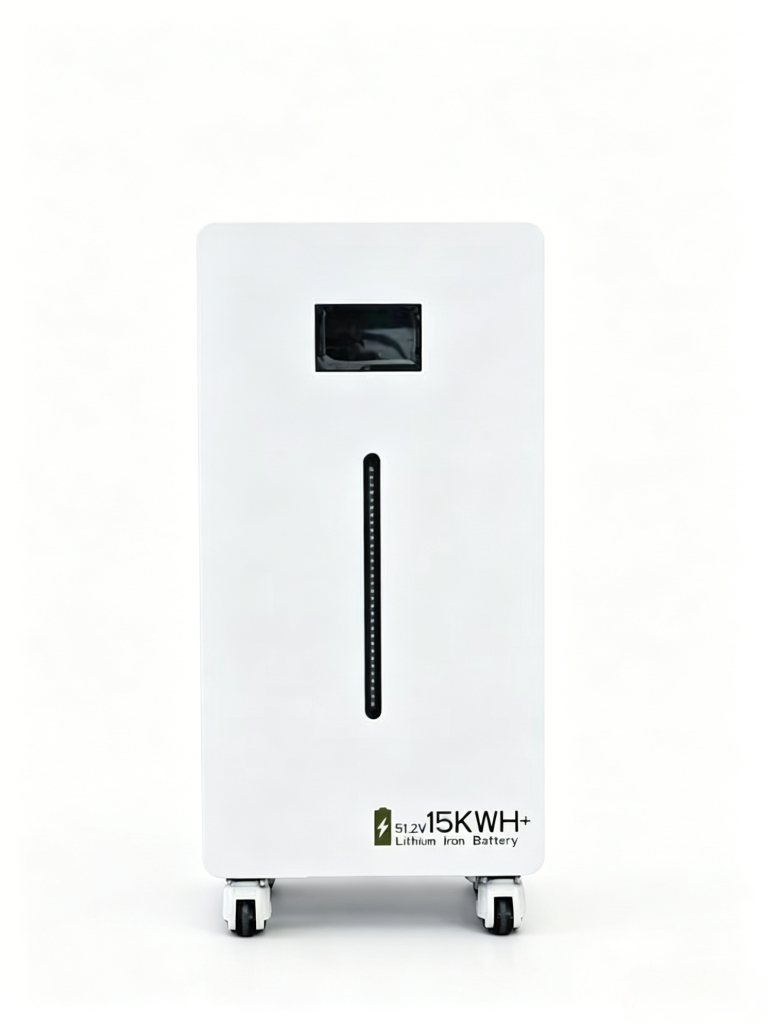
Scenario 4 — Maximize Solar Self-Consumption
Grid-tied solar without storage wastes the midday surplus (or sells it back at a poor rate). Adding ESS captures it.
- Topology: PV → hybrid inverter → LFP battery.
- Outcome: self-consumption climbs from ~30% to 80%+, turning every noon kilowatt into an evening kilowatt.
Scenario 5 — Small Business Dynamic Capacity
Workshops and small factories hit transformer limits at peak. A 30–100 kWh cabinet shaves the demand spike.
- Topology: 30–250 kW PCS + 60–500 kWh LFP cabinet on the 400V bus.
- Outcome: avoids a costly transformer upgrade and cuts demand charges.
- Field proof: our 佛山 250 kW / 500 kWh facility project delivered daily two-charge/two-discharge peak shaving with a sub-one-year simple payback on the demand-charge side.
Scenario Comparison
| Scenario | Typical capacity | Best topology | Headline benefit |
|---|---|---|---|
| Peak shaving (TOU) | 10 kWh | All-in-one | 30–50% bill cut |
| Blackout backup | 5–10 kWh | All-in-one + critical panel | Lights stay on |
| Off-grid villa | 20–40 kWh | Stackable + hybrid + PV | Generator retired |
| Solar self-use | 10–20 kWh | Hybrid + PV | 30% → 80% self-use |
| Business 增容 | 60–500 kWh | PCS + cabinet | No transformer upgrade |
Choosing the Right Product
- First home, single-phase: start with an all-in-one — fastest, safest commissioning.
- Likely to expand: choose stackable modules (5 kWh → 30 kWh) so capacity grows with you.
- Large / three-phase load: hybrid inverter + external LFP rack for maximum flexibility.
All Yuechu residential units are built on LiFePO4 chemistry and carry the UL 1973 / IEC 62619 / UN 38.3 compliance path expected for occupied buildings.
Final Thoughts
A battery is only as good as the scenario it is placed in. Match the topology to the load, size to *usable* kWh (not nameplate), and the LFP chemistry will outlast the inverter you pair it with.
*Circova Energy builds UL/IEC-compliant LiFePO4 home all-in-one units and stackable modules for every scenario above. Send us your load profile and we’ll return a matched configuration sheet.*




fsmgovdvspprfojkknnwrwionyomxh