The 2026 VPP Era: Why Your Home Battery Is Now a Grid Asset (Not Just a Backup)

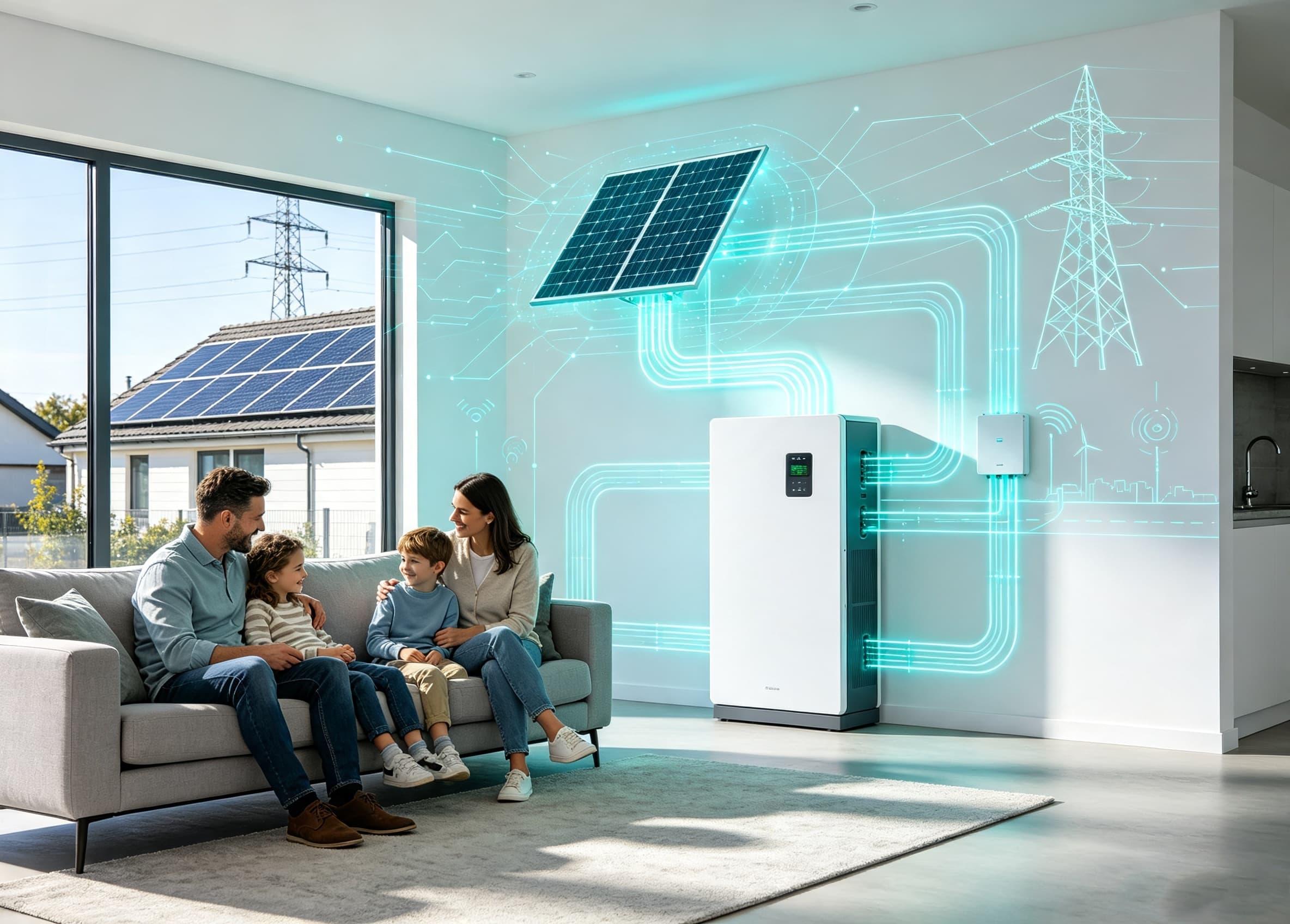
For a decade, the home battery was sold as an insurance policy: a silent box in the garage that wakes up only when the grid goes dark. In 2026, that story is over. Across the United States, Europe, and Australia, residential batteries have crossed a line from *passive backup* to *active grid infrastructure*—coordinated by software, paid for their flexibility, and increasingly treated by regulators as dispatchable power plants.
If you are specifying or buying a home energy storage system (ESS) in 2026, the question is no longer “will it keep my lights on during an outage?” It is “is my battery ready to earn, not just protect?”
This article breaks down the three trends that define the 2026 virtual-power-plant (VPP) moment, and the technical features a future-proof home ESS must have to join it.
Trend 1 — Residential Storage Hit Record Volumes, Then Went “Collective”
The numbers tell the story. In the United States, residential storage additions reached a record 673 MW in Q1 2026 (U.S. EIA), driven by high retail tariffs and state incentives—California and Hawaii leading, with Texas and Arizona closing fast. Meanwhile, homeowner solar *additions* slowed after the U.S. federal 30% residential solar tax credit was repealed, but total solar generation kept climbing. Storage became the natural next step: store midday sun, use it at night.
The leap from “one battery per home” to “one virtual power plant” happened almost overnight:
- In June 2026, Sunrun, Renew Home, and Tesla announced they would aggregate “hundreds of thousands” of home batteries into what they call the largest distributed power plant in the U.S.—over 16 GW of dispatchable capacity for data centers and utilities.
- In Germany, 1KOMMA5° coordinates 60,000+ distributed systems (>600 MW) through its Heartbeat AI platform, targeting 1 GW soon and 20 GW by 2030.
- In Australia, the ACCC’s 15th electricity market inquiry (published July 2026) confirmed VPP participants record the nation’s lowest household bills, fueled by the federal *Cheaper Home Batteries Program*.
The pattern is global: home batteries are no longer backup devices. They are bid into markets, scheduled by AI, and paid per kilowatt-hour dispatched.
Trend 2 — Capacity Pricing Makes Storage “Earn Its Keep”
The shift is not only cultural—it is structural. In China, the 2026 *Capacity Price Mechanism* (NDRC/NEA Document No. 114) formally values storage’s capacity, moving the industry from “build because policy says so” to “build because it pays.” Independent storage now earns through three channels: energy arbitrage + ancillary services + capacity payment.
The West mirrors this with VPP compensation. Reported 2026 benchmarks:
- Performance payments: ~$1.85/kWh dispatched in some U.S. programs—roughly 10× retail rate.
- Sign-on bonuses: $1,000–$2,000 for a 5-year VPP contract.
- Annual bill credits: $450–$700/year for typical participants.
For a homeowner, that shortens payback dramatically in a post-subsidy world. For an installer or brand, it raises the bar: a battery that cannot be scheduled, metered, and safely reserved is simply not VPP-ready.
Trend 3 — “Missing Middle” and Grid-Forming Raise the Technical Bar
Utilities have moved from “prove it works” to “how do we scale it.” That demands measurable performance—visibility, schedulability, availability. Two technical expectations now matter:
1. OpenADR 2.0b readiness is emerging as the “gold standard” communication protocol for VPP participation. A battery must speak the utility’s language. 2. Grid-forming (GFM) capability—the ability to support voltage and frequency, not just follow them—is climbing the priority list as more DERs connect to weak or islanded grids.
What a VPP-Ready Home ESS Must Have in 2026
| Feature | Traditional Backup Box | VPP-Ready Home ESS |
|---|---|---|
| Chemistry | Any (often unspecified) | LFP (LiFePO₄) — 6,000–8,000 cycles |
| BMS / EMS | Basic | Smart BMS + scheduleable EMS, remote firmware |
| Communication | None | OpenADR 2.0b-ready, Modbus/CAN, cloud API |
| Scalability | Fixed capacity | Stackable modules to reach dispatchable kW |
| Safety reserve | N/A | Configurable buffer (e.g., 20%) always kept |
| Grid behavior | Backup only | Seamless islanding + grid-forming support |
| Certification | Optional | UL 1973 / IEC 62619 / UN 38.3 |
1. LFP chemistry is the only sensible foundation
A VPP may add fewer than 50 cycles/year on top of daily use—but over a 10-year life that still demands a chemistry built for depth. LiFePO₄ delivers 6,000–8,000 cycles at high depth of discharge (DOD), with stable, oxygen-free thermal behavior. It is the chemistry utilities trust at scale.
2. A real BMS + scheduleable EMS
The battery must report state-of-charge, accept dispatch signals, and protect itself cell-by-cell. Without a competent BMS, a pack is a liability (see our companion article on the 2026 safety crackdown—recalls are now happening for exactly this reason).
3. Scalability to a dispatchable size
A single 5 kWh unit rarely clears a VPP threshold. Stackable modules let a home grow from 10 kWh to 30–50 kWh, reaching the capacity aggregators actually want—without replacing the first unit.
4. A non-negotiable safety buffer
Good VPP software never drains below a homeowner-set reserve (commonly 20%). Your backup survives the event even while you earn from the rest.
5. Seamless islanding + grid-forming
When the grid drops, the ESS must detach cleanly and hold the home; when it returns, re-sync without a hitch. Increasingly, utilities also want the unit to *support* the local grid, not just consume from it.
Where Yuechu Fits
Yuechu’s residential line is built for exactly this trajectory:
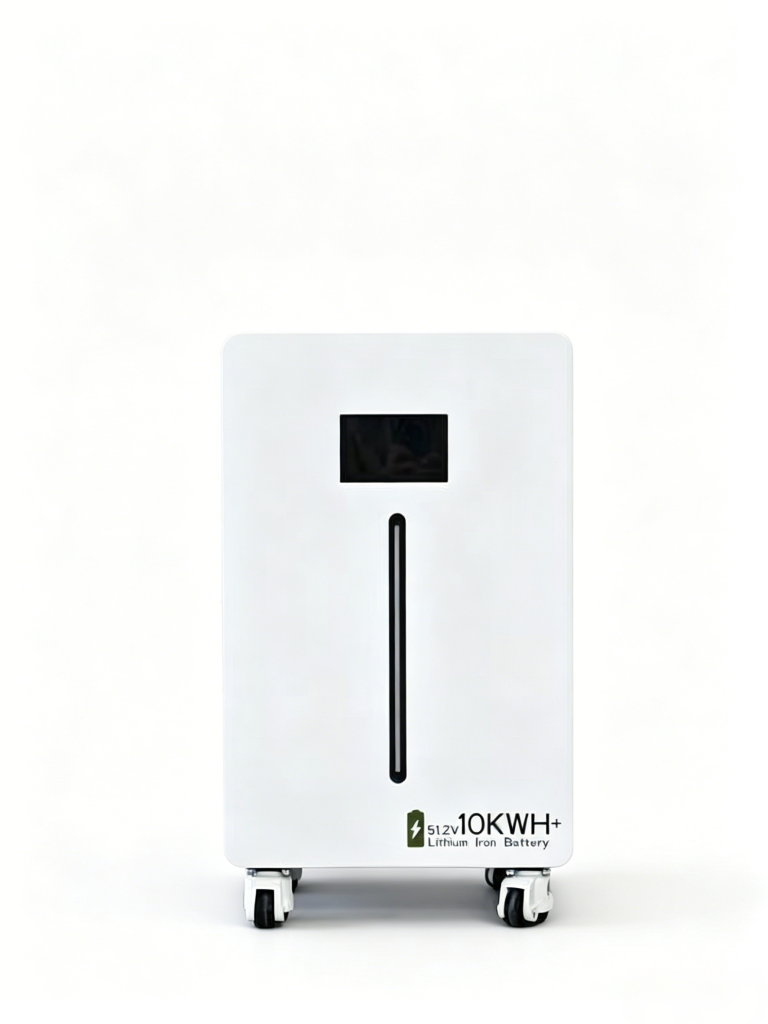
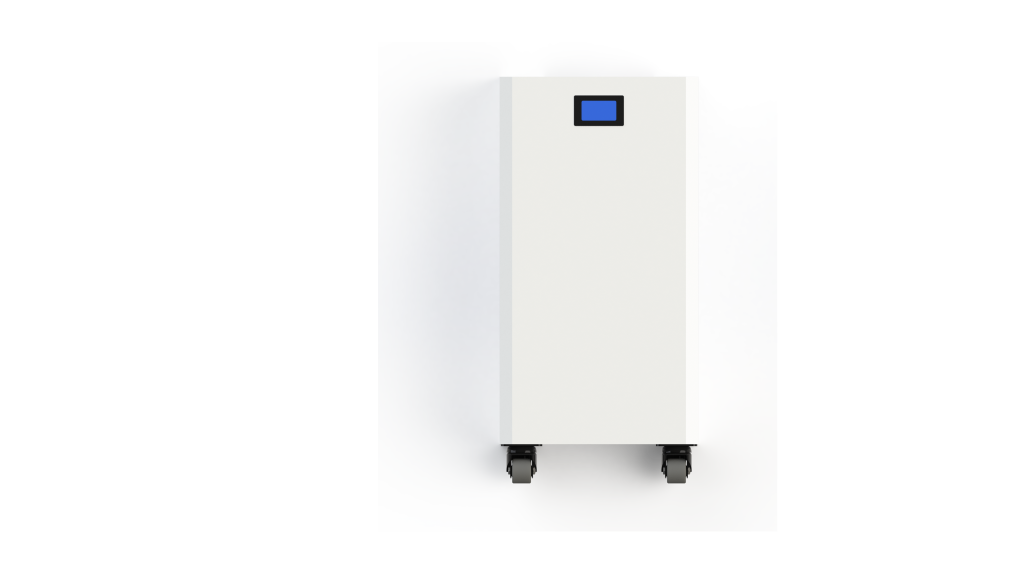
- Home all-in-one ESS (10 / 15 kWh) — wall or floor cabinet, integrated LFP cells, BMS and EMS, UL 1973 / IEC 62619 / UN 38.3 referenced.
- Stackable battery modules — grow capacity in steps to hit dispatchable size; consistent BMS comms across the stack.
- LFP-first design — 6,000–8,000 cycle life and high DOD mean VPP participation costs you almost nothing in lifespan.
- Configurable reserve & islanding — keep your lights on *and* join the market.
As VPP programs expand from California and Texas to Germany, Australia, and beyond, the homes that win are the ones whose batteries were designed to participate—not just to wait.
Conclusion
2026 is the year the home battery stopped being a closet item and became grid infrastructure. The winners will be systems that combine LFP endurance, a real BMS/EMS, stackable capacity, a safety buffer, and certification. Specify for participation now, and your storage pays you for the next decade—not just the next blackout.